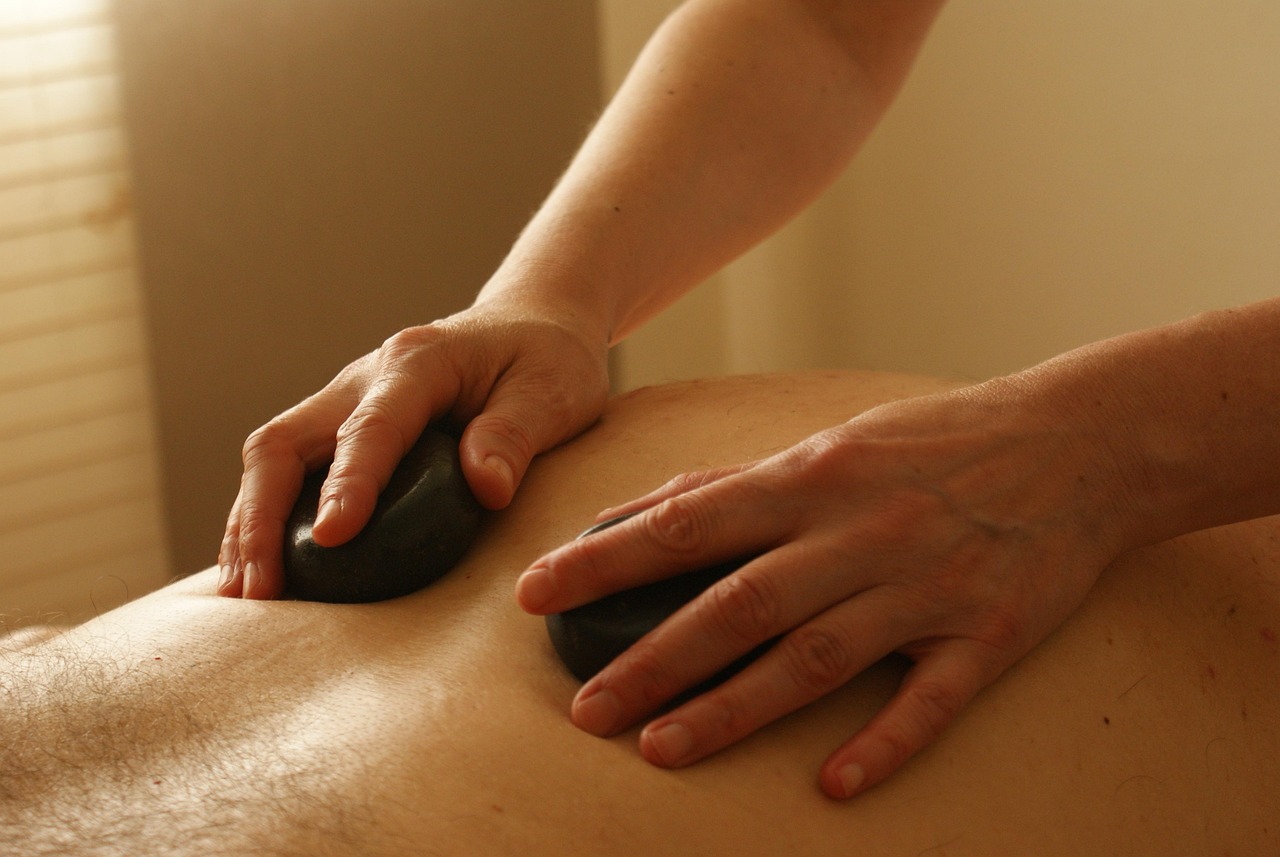
Addiction takes a toll not just on the mind, but on the entire body. The stress, anxiety, and physical strain that come with recovery can linger long after the first steps toward healing. For many people in recovery, finding peace in the body again can be one of the hardest parts of the journey — and that’s where massage therapy can help.
Massage isn’t a cure for addiction, but it can be a powerful companion in the healing process. It helps calm the nervous system, relieve physical tension, and reconnect the body and mind — allowing people in recovery to find comfort, balance, and renewed self-awareness.
That’s the heart of what Mobile Well Spa Massage brings to clients across Lynwood and the Greater Los Angeles area: a peaceful, restorative experience that supports total well-being, one session at a time.
Restoring Balance in the Body
Substance use often leaves lasting effects on the body — tight muscles, poor circulation, sleep disturbances, and heightened stress responses. Massage helps reverse some of that damage by:
Improving circulation and oxygen flow
Reducing muscle pain and stiffness
Calming the body’s “fight or flight” response
Encouraging deep, restorative sleep
Over time, consistent massage sessions can help restore the body’s natural rhythm, allowing it to heal and function more effectively as emotional recovery continues.
Easing Anxiety and Cravings
During recovery, anxiety and cravings can feel overwhelming. Massage therapy has been shown to lower cortisol (the stress hormone) and increase serotonin and dopamine — neurotransmitters that promote happiness and relaxation.
This chemical shift can bring moments of calm and clarity when they’re needed most, helping individuals manage emotional triggers with a steadier mind. For many, it becomes part of a larger self-care system that reinforces resilience and inner peace.
The Importance of Safe, Compassionate Touch
One of the most overlooked aspects of recovery is the need for healthy human connection. Massage offers that — a form of positive, nonjudgmental touch that helps rebuild trust between the body and the self.
At Mobile Well Spa Massage, therapists approach each session with compassion and sensitivity, creating a private and nurturing environment that allows clients to let go safely. It’s about helping people feel grounded again — not just physically, but emotionally.
Wellness That Meets You Where You Are
The beauty of mobile massage is that it removes barriers. You don’t have to travel, wait, or navigate stressful environments. A professional therapist brings everything to your space — transforming it into a calming sanctuary that supports recovery at your own pace.
For many in early recovery, that accessibility makes all the difference.
Reconnecting, One Step at a Time
Recovery isn’t only about breaking free from something — it’s about rediscovering who you are beneath the pain. Massage therapy can play a meaningful role in that rediscovery by helping you reconnect with your body, your breath, and your sense of peace.
If you or someone you love is on a journey toward healing, explore the benefits of compassionate, in-home massage therapy through MobileWellSpaMassage.com. Because sometimes, the first step toward wholeness begins with simply learning to feel good in your own skin again.
Cannabis can be a friend—a way to ease pain, calm anxiety, or spark creativity. But like any powerful tool, it can also become a habit that dulls energy and motivation. For those on a fitness journey, that tension is real: how do you enjoy the plant’s benefits without losing momentum in training and overall wellness?
Understanding the Line Between Use and Dependence
Cannabis itself is not physically addictive in the way nicotine or opioids are, but psychological dependence is possible. Signs to watch for include:
Needing cannabis to start or finish workouts
Skipping training sessions because of lethargy or late-night use
Increased tolerance and cravings when trying to cut back
Awareness is the first rep of change. You can’t lift what you can’t see.
Cardio and HIIT boost dopamine and endorphins, helping to rewire reward circuits that cannabis may dominate.
Strength training supports better sleep and mood regulation, reducing the urge to reach for a nighttime joint.
Yoga and breathwork address stress—the root trigger for many habitual patterns.
Fitness doesn’t have to be punishment; it can become the new source of elevation.
Mindful Movement and Self-Compassion
Zen practice teaches that change happens in the present moment, not through harsh self-criticism.
Begin with short, daily movement—five minutes of stretching or a walk.
Name and notice cravings without judgment, as you would observe thoughts during meditation.
Celebrate each day you choose motion over mindless consumption.
The goal isn’t to shame the plant or the person. It’s to reclaim freedom of choice.
Building Support and Community
Sustainable change grows in connection. Seek friends or groups that value wellness without extremes. This is where a resource like ActiveLifeTribe.com can help. It’s a community devoted to movement, balanced nutrition, and mindful living—exactly the kind of environment that supports a fresh, energized lifestyle.
A Balanced Relationship Is Possible
For some, moderation works: occasional, intentional use after training or as part of a mindful evening routine. For others, a clean break brings the clarity and stamina they’ve been missing.
Either way, fitness provides a new anchor of joy and discipline. Every rep, every mile, every breath is a reminder: the body already knows how to create its own natural high.
Bottom line: Cannabis can be part of a conscious life—but if it starts running the show, the path back to strength and freedom is built on movement, mindful awareness, and a supportive community like ActiveLifeTribe.com. Step onto the mat, the trail, or the gym floor. Each step is a choice to live wide awake.
In recent years, CBD has gained significant attention for its potential therapeutic benefits, including the treatment of drug addiction. But what exactly is CBD and how does it work in the body? Can it really be used to help those struggling with drug addiction?
This article will explore the latest studies and research on CBD and drug addiction, as well as the potential benefits and risks of using CBD for treatment. From reducing cravings to improving sleep, we will delve into how CBD may offer a new approach to addressing addiction.
Can CBD be Used to Treat Drug Addiction?
The use of CBD in treating drug addiction, including opioid addiction, has gained attention due to its potential therapeutic effects on addiction-related behaviors and withdrawal symptoms.
CBD, derived from the cannabis plant, interacts with the body’s endocannabinoid system, which plays a crucial role in regulating reward and motivation.
By targeting this system, CBD may help reduce cravings and anxieties associated with drug withdrawal, making it a promising adjunct therapy for individuals struggling with addiction.
CBD’s anti-inflammatory and neuroprotective properties could help in repairing neural pathways damaged by substance abuse and promoting overall brain health.
Research suggests that CBD can aid in managing opioid addiction by modulating the brain circuits involved in drug reinforcement and craving.
First Though What Makes Up CBD?
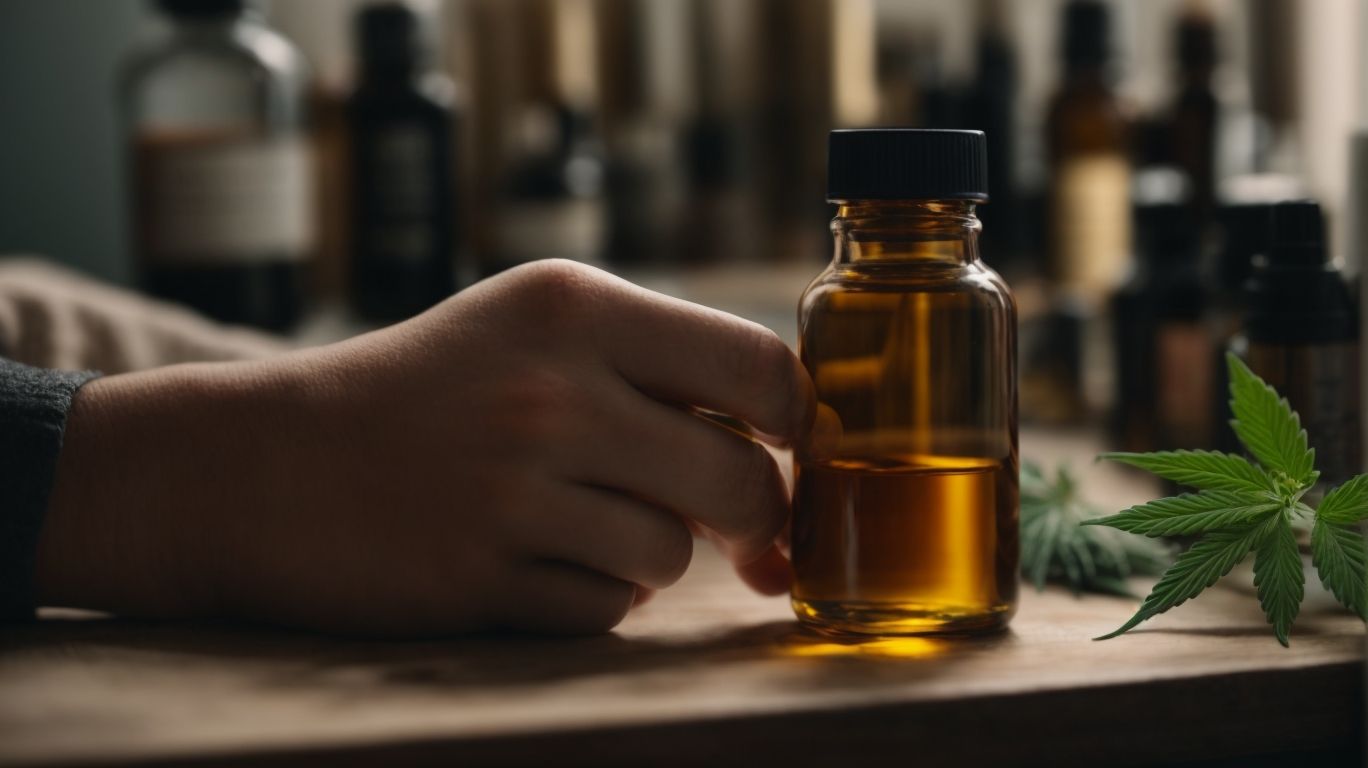
CBD, short for cannabidiol, is a naturally occurring compound found in the cannabis plant. It is one of over 100 cannabinoids identified in hemp plants and accounts for up to 40% of the plant’s extract.
Originally discovered in the 1940s, CBD has gained popularity for its various potential health benefits. Unlike its counterpart, THC, CBD is non-psychoactive, meaning it doesn’t produce the ‘high’ associated with cannabis use. This feature has made CBD a favorable option for those seeking relief from pain, anxiety, insomnia, and inflammation without the mind-altering effects. Its versatility has led to the creation of a wide range of products, including oils, edibles, CBD hemp cream topicals, and even pet treats, catering to different preferences and needs of consumers.
What is Drug Addiction?
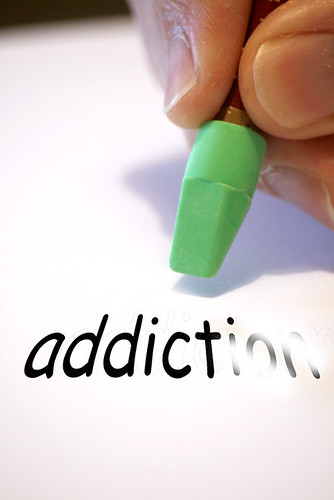
addiction
Drug addiction, also known as substance dependence, refers to a chronic, relapsing disorder characterized by compulsive drug seeking, continued use despite harmful consequences, and long-lasting changes in the brain.
This condition not only affects the individual’s physical and mental health but also has far-reaching impacts on society as a whole. It can lead to strained relationships, financial difficulties, legal problems, and a decline in overall productivity.
Addiction therapy and treatment options play a crucial role in helping individuals break free from the cycle of addiction. Through counseling, detoxification, medication-assisted treatment, and support groups, individuals can address the underlying causes of their addiction and develop coping mechanisms to maintain long-term sobriety.
How Does CBD Work in the Body?
CBD interacts with the endocannabinoid system in the body, which plays a crucial role in regulating various physiological processes. It has shown potential anti-addictive properties by affecting the brain’s reward mechanisms and reducing drug dependence.
This interaction occurs primarily through CBD’s modulation of the CB1 and CB2 receptors in the endocannabinoid system. By influencing these receptors, CBD can help in restoring balance and reducing cravings associated with addiction.
CBD’s anti-inflammatory and neuroprotective effects may contribute to its ability to alleviate withdrawal symptoms and support overall mental well-being during the recovery process. Research suggests that CBD may hold promise as a therapeutic tool in combatting substance abuse disorders and offering a more holistic approach to addiction treatment.
What are the Studies and Research on CBD and Drug Addiction?
Numerous studies and research have been conducted to investigate the efficacy of CBD in treating drug addiction and supporting addiction recovery. These studies explore various addiction treatment options, recovery strategies, and the potential benefits of incorporating CBD into addiction management.
Research has shown that CBD may help reduce drug cravings and withdrawal symptoms, making it a promising addition to addiction treatment protocols. From substance abuse disorders to opioid addiction, CBD has demonstrated potential in alleviating the negative effects of withdrawal and promoting a smoother recovery journey. Studies have highlighted the role of CBD in reducing anxiety and stress, which are common triggers for relapse in individuals recovering from addiction.
What are the Potential Benefits of Using CBD for Drug Addiction Treatment?
Using CBD for drug addiction treatment offers several potential benefits, including reducing cravings for drugs, alleviating withdrawal symptoms, decreasing anxiety and stress, and improving overall sleep quality.
These benefits can play a crucial role in supporting individuals through the challenging process of addiction recovery. By helping to manage cravings, CBD can aid in reducing the likelihood of relapse. The ability of CBD to ease withdrawal symptoms can make the detoxification phase more bearable, increasing the chances of successful recovery. Its anxiolytic properties can provide a sense of calmness, while its ability to improve sleep quality can contribute to overall well-being and mental stability during the recovery journey.
Reduces Cravings for Drugs
CBD has shown promise in reducing cravings for drugs by interacting with the brain’s reward system and promoting feelings of relaxation and well-being, thus providing essential support for addiction recovery.
Individuals undergoing addiction recovery often struggle with intense cravings as their bodies adjust to life without the substances they were dependent on. CBD, by influencing the release of neurotransmitters like serotonin and dopamine, helps alleviate these cravings and the associated anxiety and stress. By managing these cravings effectively, CBD can aid in the path to recovery and reduce the likelihood of relapse, giving individuals a better chance at maintaining sobriety in the long term.
Helps with Withdrawal Symptoms
CBD has been found to help alleviate withdrawal symptoms associated with drug cessation by modulating neurotransmitter levels and signaling pathways, offering a valuable technique for managing the challenges of addiction recovery.
This natural compound interacts with the endocannabinoid system in the body, promoting homeostasis and balance within key physiological functions. By reducing anxiety and cravings, CBD can provide individuals with a sense of relief during the difficult phases of withdrawal. Its anti-inflammatory properties can ease physical discomfort, aiding in better pain management. CBD has shown promise in improving sleep quality, which is crucial for rest and recovery during addiction treatment. CBD plays a supportive role in helping individuals navigate the complexities of addiction recovery with more comfort and stability.
Reduces Anxiety and Stress
CBD’s anxiolytic properties have been shown to reduce anxiety and stress levels in individuals undergoing addiction recovery, promoting self-care practices and emotional well-being during the recovery journey.
By incorporating CBD into their self-care routines, individuals in addiction recovery can experience a sense of calm and relaxation that aids in managing the challenges they face. The therapeutic effects of CBD help in reducing intrusive thoughts and promoting a more positive mindset, which is crucial in maintaining emotional balance. CBD’s ability to alleviate physical symptoms of anxiety, such as racing heart and muscle tension, can contribute to a more holistic approach to well-being. The integration of CBD as a natural supplement in addiction recovery emphasizes the importance of nurturing mental and emotional health alongside the physical aspects of healing.
Improves Sleep
CBD’s calming effects can improve sleep quality by regulating sleep-wake cycles and promoting relaxation, aiding individuals in making positive lifestyle changes that support addiction recovery.
By helping to soothe anxiety and reduce stress levels, CBD creates a conducive environment for a restful night’s sleep. Restorative sleep plays a crucial role in overall health and well-being, particularly during addiction recovery, as it allows the body and mind to rejuvenate. Incorporating CBD into a bedtime routine can be a valuable addition for those looking to establish healthier habits and improve their quality of life during recovery.
What are the Risks and Side Effects of Using CBD for Drug Addiction Treatment?
While CBD shows promise in treating drug addiction, it is essential to be aware of potential risks and side effects, such as interactions with other medications and the possibility of developing a dependency on CBD itself.
CBD’s interactions with certain medications can lead to adverse effects, including reduced effectiveness of prescription drugs or intensified side effects. There is a concern that individuals using CBD for addiction treatment may develop a psychological reliance on the substance, leading to potential withdrawal symptoms if its use is discontinued abruptly. These risks underscore the importance of consulting a healthcare professional before incorporating CBD into a treatment plan for addiction.
Interactions with Other Medications
CBD may interact with certain medications, affecting their metabolism and efficacy, which is crucial to consider when incorporating CBD into addiction recovery treatments that involve other medications.
For individuals in addiction recovery, the potential interactions between CBD and other medications can have implications for their recovery journey.
It is essential to consult with healthcare providers prior to introducing CBD alongside existing medications, as CBD could either enhance or inhibit the effectiveness of these medications.
Understanding how CBD may impact the metabolism of concurrently used drugs is vital in ensuring that individuals receive the full benefits of their treatment regimens.
By gaining insights into these interactions, healthcare professionals can tailor treatment plans to maximize their effectiveness and support the overall well-being of those in recovery.
Potential for Addiction
Although CBD itself is not considered addictive, there is a potential risk of psychological dependence on CBD products, which poses a challenge in addiction recovery efforts that aim to reduce dependency on substances.
For individuals in addiction recovery, the prospect of developing a psychological dependence on CBD can complicate their journey towards sobriety. The allure of using CBD products as a coping mechanism or substitute for previous addictive substances can hinder progress and trigger cravings.
Addressing psychological dependence on CBD involves a multi-faceted approach that includes therapy, support groups, and the development of healthier coping mechanisms. Recognizing and managing triggers that lead to excessive CBD use is crucial in breaking the cycle of dependence and promoting long-term recovery.
Drowsiness and Fatigue
One of the common side effects of CBD usage is drowsiness and fatigue, which can impact daily activities and require individuals to practice self-care and monitor their energy levels during addiction recovery.
For those in addiction recovery, managing drowsiness and fatigue induced by CBD becomes crucial to maintaining a balanced lifestyle. It is essential to recognize the signs of excessive tiredness and find ways to boost energy levels, such as incorporating regular exercise, adequate rest, and a balanced diet. Engaging in activities that promote mental and physical well-being, like mindfulness practices and social support networks, can also help combat the lethargy commonly associated with CBD use. By prioritizing self-care and energy management, individuals can navigate the challenges of drowsiness and fatigue while focusing on their recovery journey.
How Should CBD be Used for Drug Addiction Treatment?
Determining the appropriate dosage of CBD for drug addiction treatment is essential to monitor progress and ensure optimal therapeutic effects without adverse reactions or complications.
It is recommended to start with a low dosage of CBD when treating drug addiction and gradually increase based on individual response and tolerance levels.
Regular monitoring of the patient’s progress is crucial to assess the effectiveness of the CBD treatment. In case of any adverse reactions or lack of improvement, adjustments to the dosage and treatment plan may be necessary to maximize benefits.
Collaborating with healthcare professionals experienced in CBD therapy can help track recovery outcomes and ensure a personalized approach to the treatment process.
Dosage
Start with a low CBD dosage and gradually increase it based on individual tolerance levels and treatment goals in addiction recovery, ensuring careful monitoring of effects and adjustments as needed.
By tailoring the dosage to each person’s specific needs and progress in overcoming addiction, healthcare providers can maximize the therapeutic benefits of CBD. Individualized dosing not only helps manage cravings and withdrawal symptoms effectively but also minimizes the risk of adverse reactions. Through regular assessments and communication with the patient, dosing strategies can be fine-tuned to optimize treatment outcomes and support long-term recovery. This personalized approach acknowledges that addiction is a complex condition, requiring a multifaceted and customized treatment plan that can adapt to the individual’s changing needs.
Administration Methods
CBD can be administered through various methods such as oral ingestion, inhalation, or topical application, allowing for personalized treatment approaches that align with an individual’s addiction recovery plans and preferences.
Each administration method offers unique benefits. Oral ingestion, like CBD capsules or edibles, provides a convenient and discreet way to incorporate CBD into daily routines.
Inhalation through vaping or smoking offers quick absorption, ideal for immediate relief from cravings or withdrawal symptoms. Topical application, in the form of creams or lotions, targets specific areas for localized relief.
When selecting the most effective method, factors such as onset time, duration of effects, and personal comfort should be considered to tailor the treatment to the individual’s needs.
Monitoring and Adjusting Treatment
Regular monitoring of CBD treatment progress and its effects on addiction recovery outcomes is crucial for adjusting the treatment plan, optimizing results, and addressing any emerging challenges or setbacks.
By consistently tracking the patient’s response to CBD therapy, healthcare providers can identify patterns, evaluate efficacy, and modify the treatment approach as needed. This ongoing evaluation allows for timely interventions to be implemented, ensuring that the individual’s recovery journey remains on the right path. Regular monitoring enables healthcare professionals to engage in open communication with the patient, establishing a collaborative environment and fostering trust throughout the treatment process.
Frequently Asked Questions
faq
Can CBD be Used to Treat Drug Addiction?
1. How can CBD be used to treat drug addiction?
CBD has shown promise in reducing drug cravings and withdrawal symptoms, making it a potential tool for treating drug addiction.
2. What types of drug addiction can CBD potentially treat?
Studies have shown that CBD may be effective in treating opioid, cocaine, and methamphetamine addiction, among others.
3. Is CBD a safe treatment option for drug addiction?
CBD is generally considered safe with minimal side effects, making it a safer alternative to traditional addiction medications.
4. How does CBD work to treat drug addiction?
CBD interacts with the brain’s endocannabinoid system, which is responsible for regulating mood, pain, and other bodily functions. This interaction may help reduce drug cravings and withdrawal symptoms.
5. Can CBD be used in combination with other addiction treatments?
Yes, CBD can be used in conjunction with other addiction treatments, such as therapy and support groups, to enhance their effectiveness.
6. Is CBD a cure for drug addiction?
CBD is not a cure for drug addiction, but it may be a helpful addition to a comprehensive treatment plan to manage symptoms and reduce the risk of relapse.